
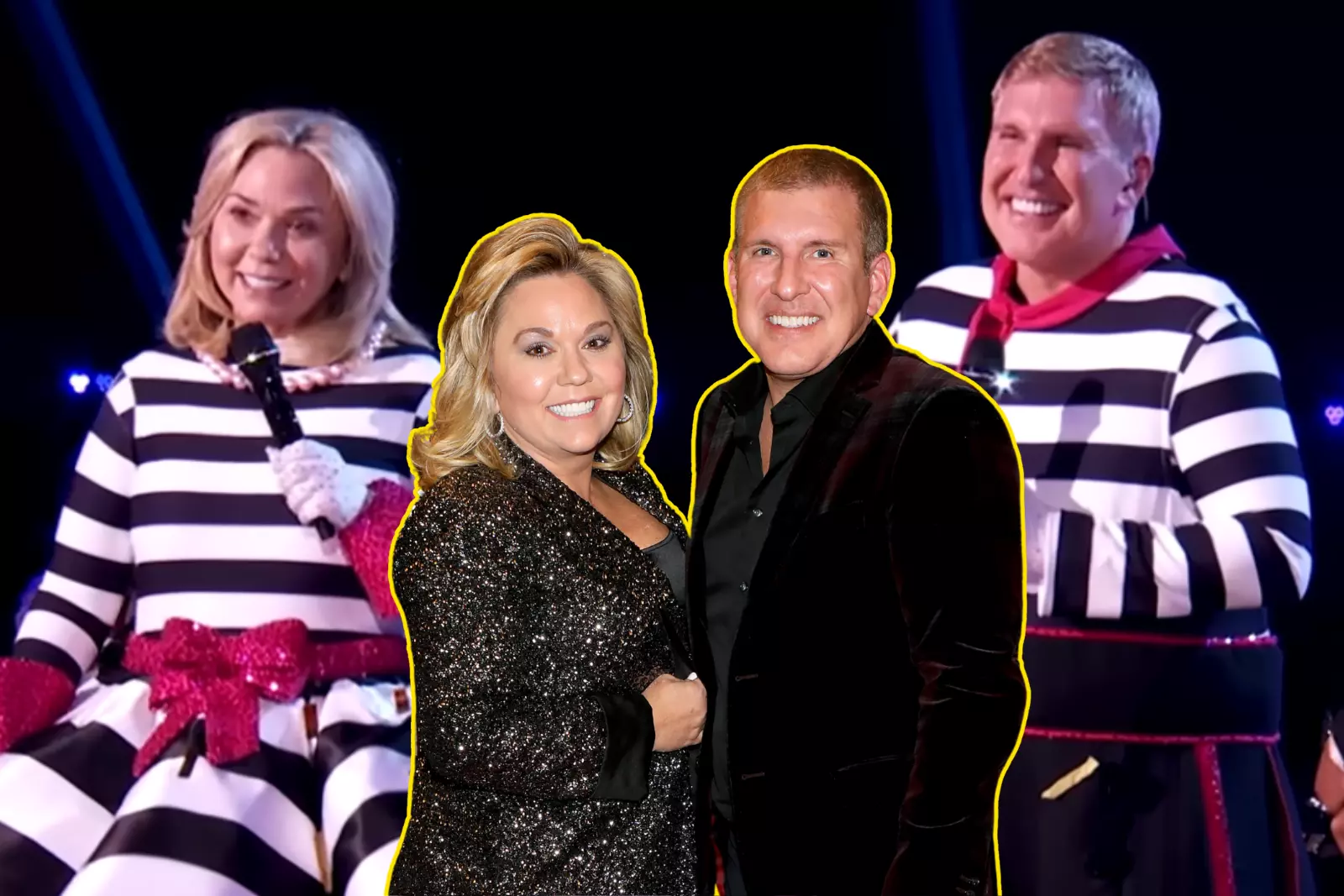
By leaning into their legal scandal with a defiant performance of “Jailhouse Rock,” Todd and Julie Chrisley aren’t just returning to television—they’re demanding the final word on their own narrative.
In the playbook of Hollywood redemption arcs, there is the “apology tour,” the “sit-down tell-all,” and then there is the “Chrisley Method.”
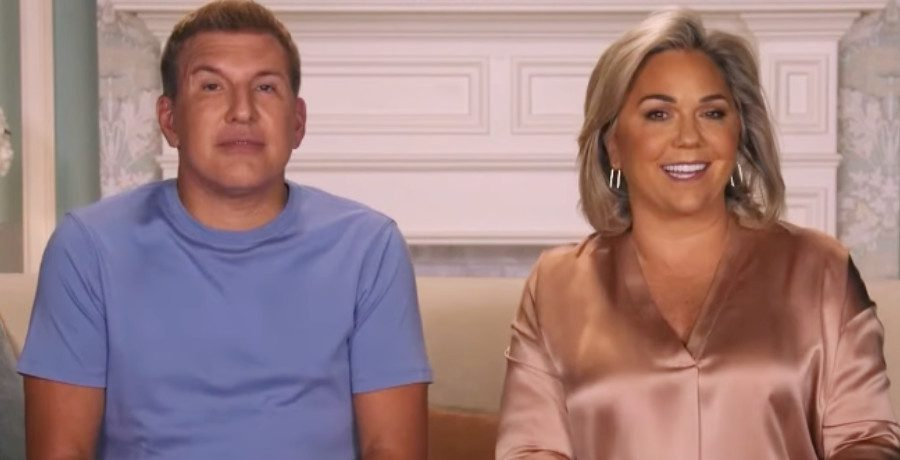
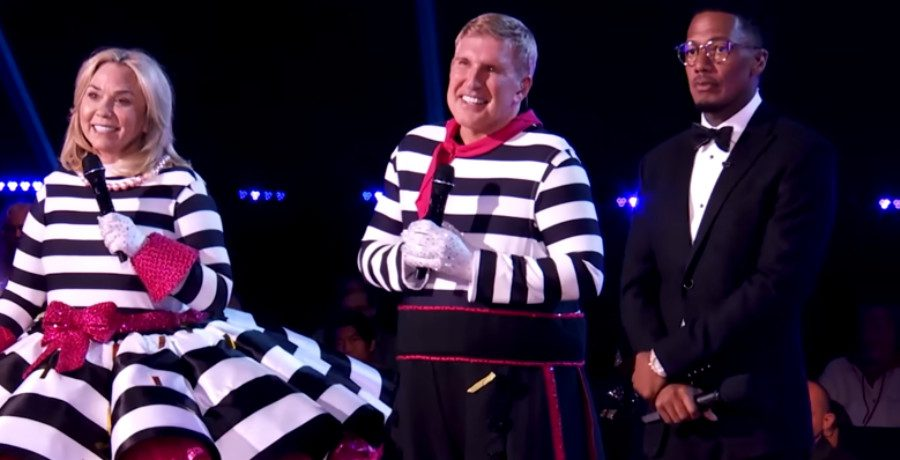
Months after walking out of federal prison following a high-profile presidential pardon, Todd and Julie Chrisley made their surreal return to the spotlight on Wednesday’s episode of The Masked Singer. Dressed as “The Croissants”—a whimsical, buttery facade that masked a calculated legal and social statement—the couple didn’t just sing; they swung back at their critics.
A “Jailhouse” Statement
The choice of song was as subtle as a sledgehammer: Elvis Presley’s Jailhouse Rock. For a couple whose brand was built on southern perfection before being dismantled by bank fraud and tax evasion charges, the performance was a polarizing piece of performance art.
“I chose that song because I wanted to take the weapon out of the hands of the haters,” Todd Chrisley told reporters in a post-reveal interview. “You can’t shame me with my past if I’m the one turning it into a show. We aren’t hiding from what we’ve been through; we’re owning the exit.”
The couple, who were granted clemency in May 2025, seem uninterested in the traditional “humbled” persona. Instead, they are leaning into the controversy, using the Fox stage to signal that the Chrisley empire is open for business—regardless of how the public feels about the politics behind their release.
The Heart Beneath the Flour
While the song choice was defiant, the costumes themselves held a somber, private meaning. The “Croissants” were a tribute to the late Nic Kerdiles, the former fiancé of their daughter Savannah, who died in a tragic motorcycle accident in 2023. Kerdiles, who was of French descent, was known for his morning ritual of offering croissants to the family.
“This wasn’t just about a comeback; it was about family,” Julie Chrisley shared, her voice cracking during the unmasking. “Every moment we were under those masks, we were thinking about the people we lost and the people who stayed by us when the world turned its back.”
Navigating the Court of Public Opinion
The reaction to their casting has been swift and divided. Social media erupted within minutes of the reveal, with critics accusing the network of “glamorizing white-collar crime.” However, in the world of reality TV ratings, “polarizing” is often synonymous with “profitable.”
Todd Chrisley remains unfazed by the digital vitriol. “People are going to talk whether you’re doing good or bad, so you might as well give them a show,” he quipped with his signature sharp tongue. He also addressed the 158,000 inmates still behind bars, framing his return as a message of hope for the formerly incarcerated—a move that successfully pivots the conversation from “convict” to “advocate.”
The Verdict
The Chrisleys’ stint on The Masked Singer wasn’t about winning a singing trophy; it was about reclaiming the spotlight. By mocking their own incarceration before the public could do it for them, Todd and Julie have executed a PR pivot that is as audacious as it is effective.
They may have been eliminated from the competition, but in the cutthroat theater of American celebrity, the Chrisleys just proved they still know exactly how to command a room.