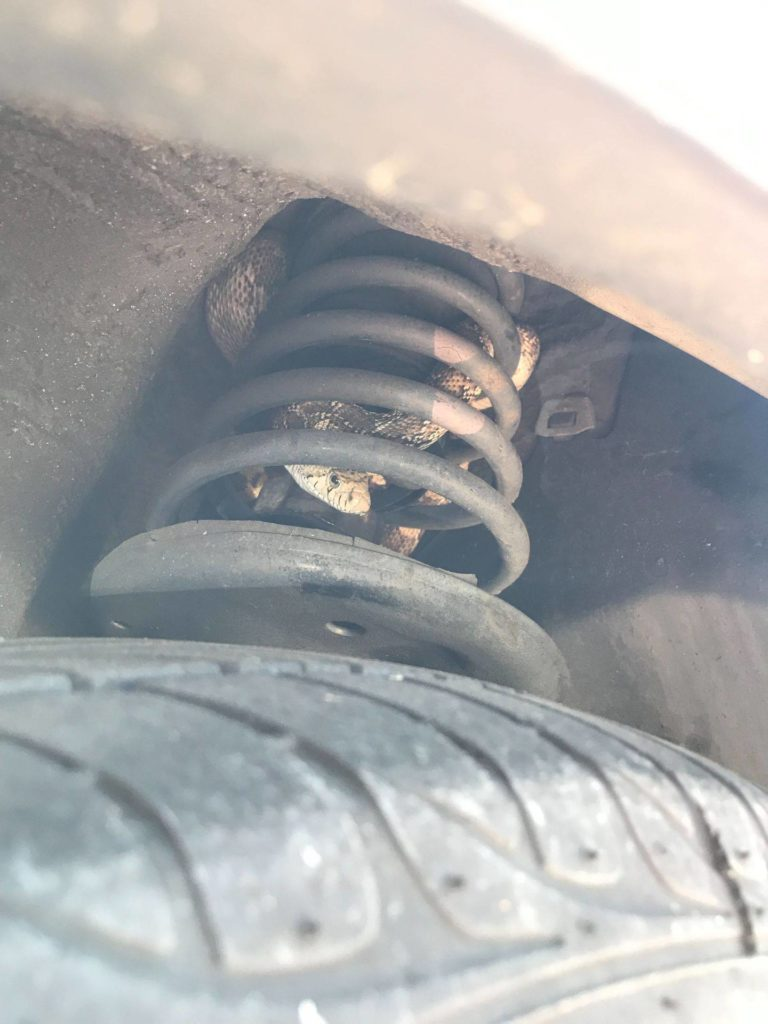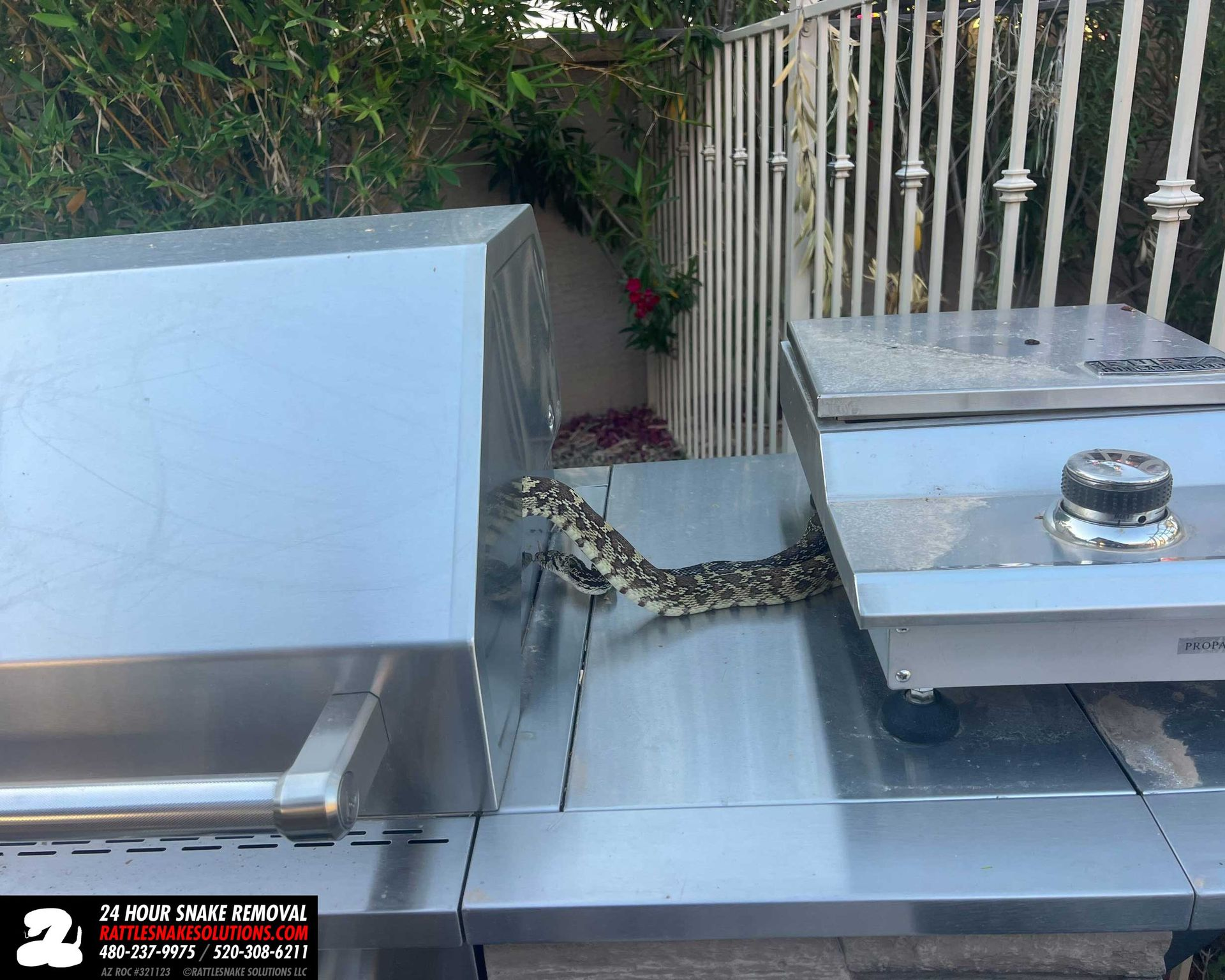
Along with many hundreds of rattlesnakes each year, harmless and beneficial reptile species are often captured and moved a short distance at the request of Arizona homeowners. Gophersnakes, Kingsnakes, Groundsnakes, Coachwhips – even lizards such as Chuckwallas – are gently stuffed into a bucket and escorted elsewhere.
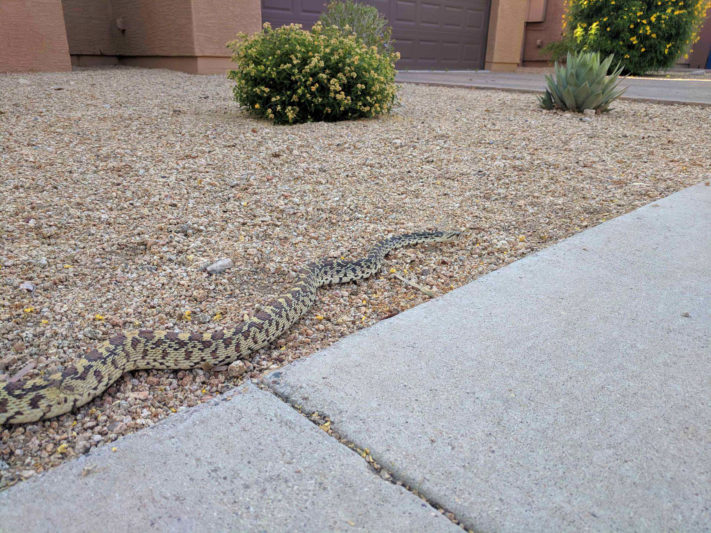
This leads to an obvious and common question that we are asked when this is discussed. Why would anyone want to move a harmless species of snake from their yard? And, why would an ethical wildlife services business do so when asked? These are very good questions, and rather than mention it in our social media comments, I’ll address the topic here so it can be answered in detail.
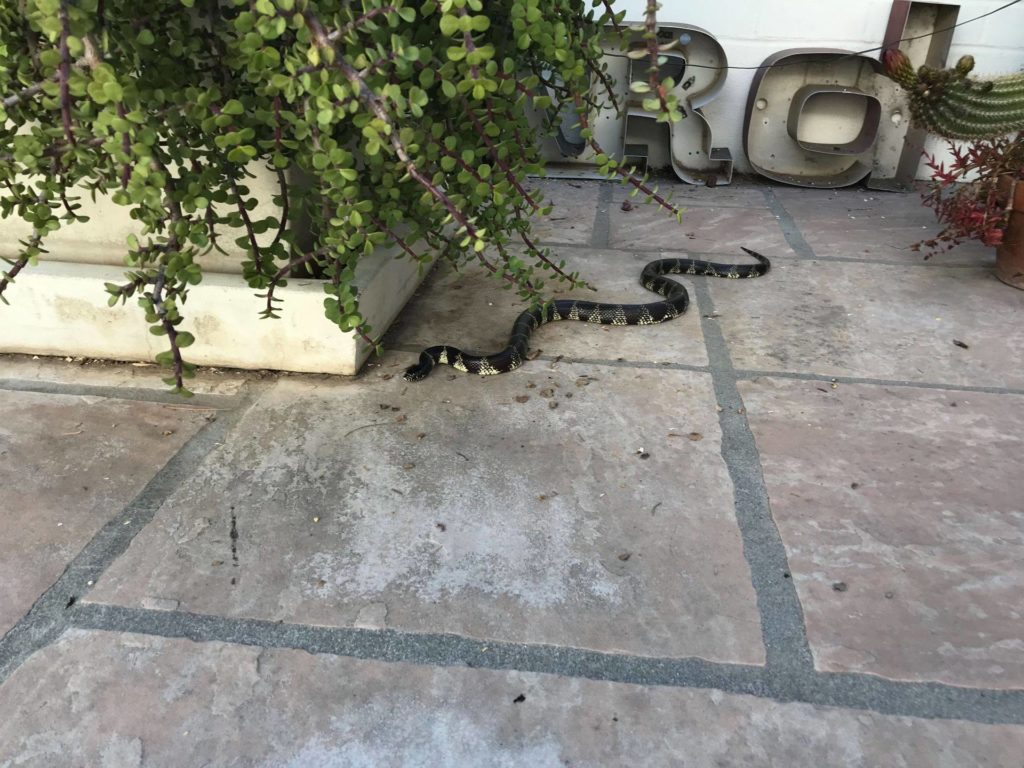
Before diving in, it’s important to understand the goals of snake-relocation and prevention as a practice. There are many ethical considerations that sometimes conflict with one another, and having clear criteria laid out can help form best-practice procedures. There are many masters to serve, and balance between them is not cut and dry. Some are of equal importance, where any action must take multiple priorities into consideration.
Primary considerations of equal weight for any action:
- Benefit to the snake. Is the action impact survivable and justified?
- Benefit to the homeowner. Are residents and pets made safer by action?
- Benefit to community. Is the public perception of wildlife positively affected by action?
Additional considerations that help shape decision-making, but are always secondary to the primary goals:
- Benefit to education/research. Is there information or a teachable opportunity gained by action?
- Benefit to ___insert relocation org here___. Does action help advance the operation and ability to positively affect primary goals?
Ultimately, capturing and relocating snakes must progress one goal above all else: peacefully mitigate immediate wildlife conflict while providing long-term, sustainable alternatives. Snake relocation is the quick fix, snake fencing, education, research, and ongoing outreach are the long game; the latter category should perpetually attempt to put the former out of business.
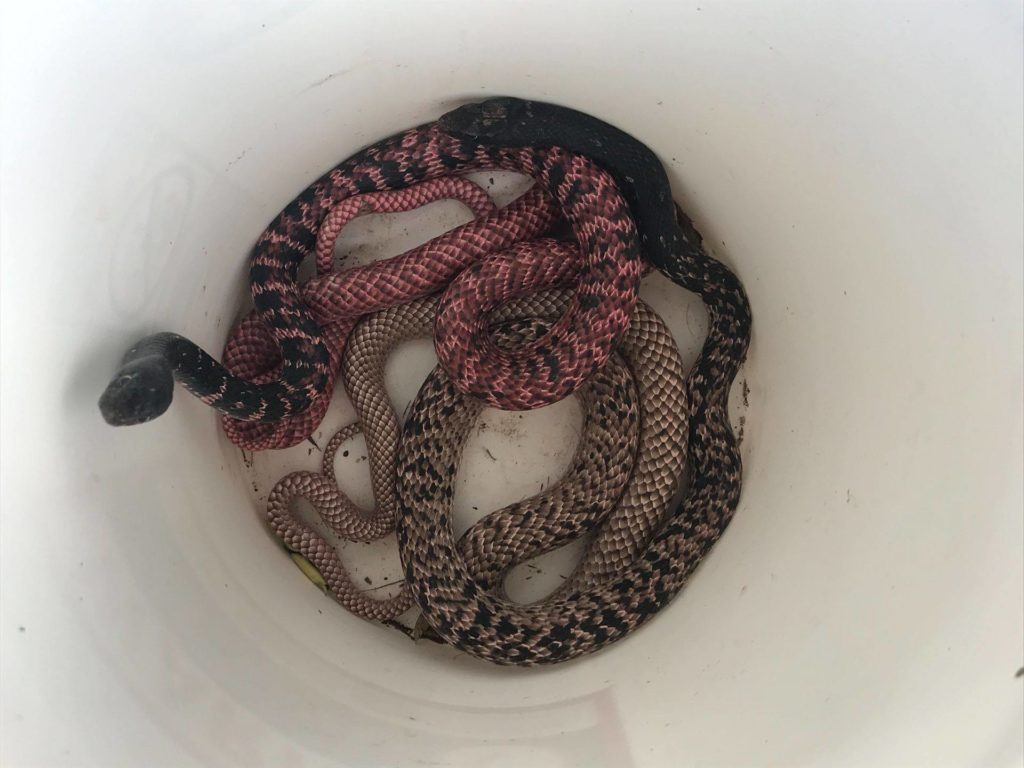
Why would a homeowner want to get rid of a beneficial snake, like a Kingsnake or Gophersnake?
Desert-savvy homeowners know that there is no better friend to have in the backyard than these large, harmless snakes. They are amazing, free pest control, in the very least. Some, like Kingsnakes and Coachwhips, even eat rattlesnakes (not Gophersnakes, contrary to popular belief, but that’s a subject for a different article). They don’t hurt anyone, including kids and dogs, as they quietly patrol the neighborhood looking to take out rodents wherever they find them.
The only downside? Simply, some people just do not like snakes. That dislike is most often synonymous with fear. Regardless of the type, aside from any knowledge, a deep cultural-phobia persists for many (I covered much of this in an earlier article about pre-summer mental preparation for the snake-phobic along with some resources if you’re firmly in the “hate snakes” crowd.)
Fear of snakes runs deep – at an individual basis and as part of our culture – and it is not easily fixed. From the outside (as occasional criticism from armchair conservationists seems to indicate) it may seem like all that’s needed to convince someone that the Gophersnake in the backyard is nothing to worry about are some quick facts. The reality is much more complicated.
We do our best to educate and provide as many alternatives as possible. We make sure that people know that the snake in their yard is harmless and will leave on its own. We also have the experience to know when that knowledge alone isn’t enough. In these instances, the situation is best handled by action. The snake can be safely escorted from the property and is not killed by terrified homeowners, who likewise benefit from the educational experience.