
In the world of snakes, venom is more than just a weapon—it’s a tool of survival, defense, and precision. Whether it’s a rattling warning or a stealthy strike, each species has evolved a unique toxic cocktail tailored for its needs. Let’s explore six fascinating snakes and the venoms that make them both feared and respected across the animal kingdom.
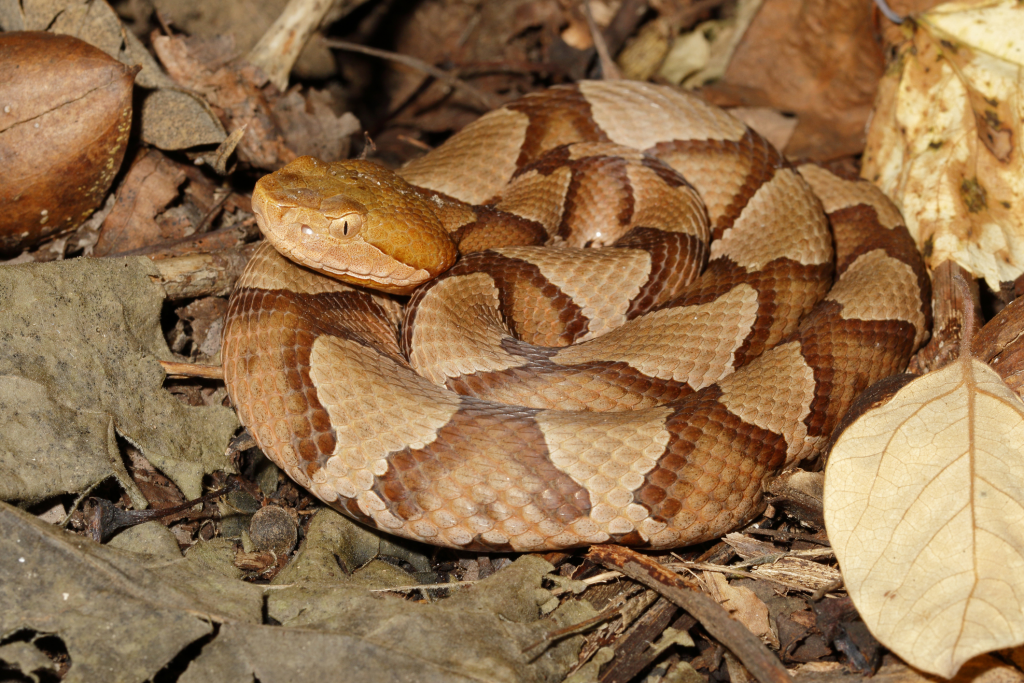
1. Copperhead – Slow Burn Danger
- Venom type: Hemotoxic – damages blood cells and tissue.
- Effect: Causes swelling, intense pain, and tissue necrosis. Rarely fatal, but bites can result in long-term damage if untreated.
- Did you know? Most bites happen because these snakes freeze in place, relying on camouflage, and people accidentally step on them.
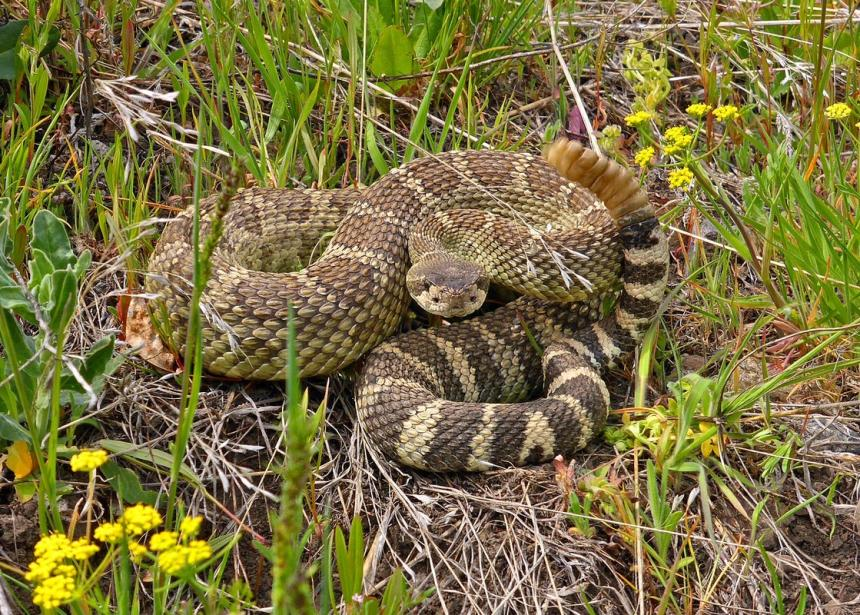
2. Northern Pacific Rattlesnake – The Quiet Threat of the West
- Venom type: Primarily hemotoxic with mild neurotoxic components.
- Effect: Causes bleeding, blood pressure drops, and clotting issues.
- Behavior: Often gives clear warnings with its rattle but will strike when cornered.
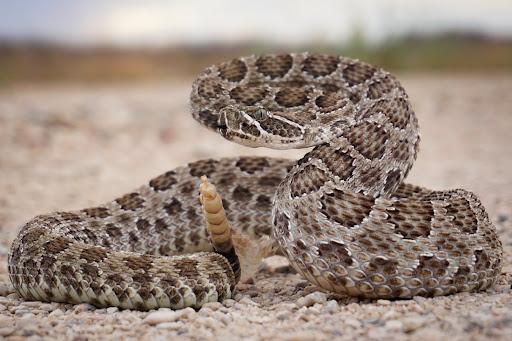
3. Prairie Rattlesnake – Grassland Ambusher
- Venom type: Potent hemotoxin
- Effect: Fast-acting; causes severe pain, internal bleeding, and swelling.
- Watch out: Known to be slightly more aggressive than other rattlesnakes when threatened.
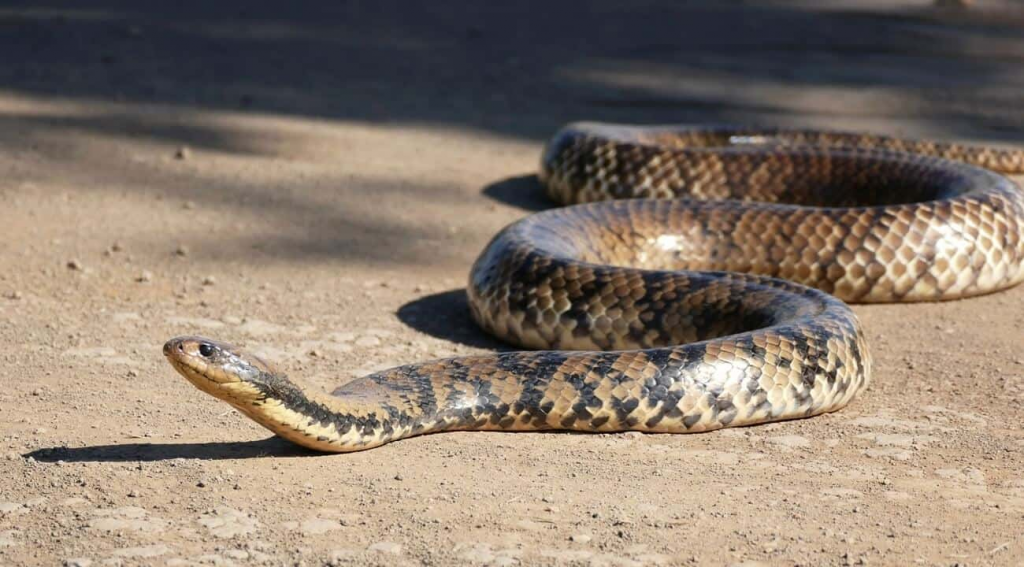
4. False Water Cobra – A Bluff with Bite
- Venom type: Mildly venomous, rear-fanged
- Effect: Generally not dangerous to humans unless bitten repeatedly; can cause swelling or allergic reactions.
- Interesting twist: Can flare its neck like a cobra, but it’s not a true cobra—just a very convincing actor.
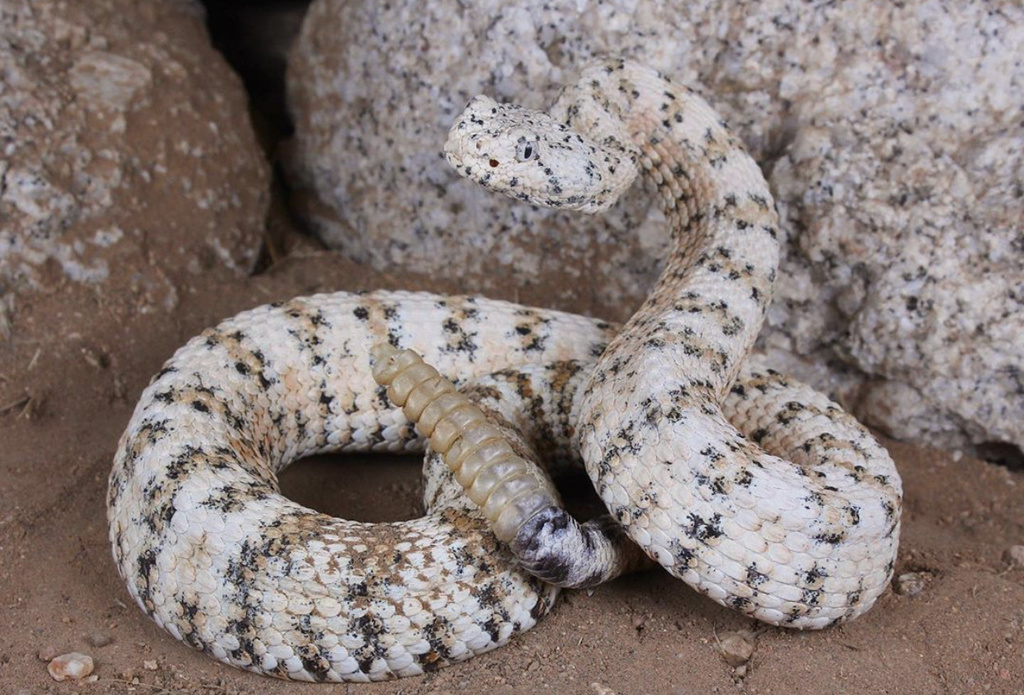
5. Speckled Rattlesnake – The Desert Shadow
- Venom type: Hemotoxin
- Effect: Localized tissue damage, severe pain, and risk of infection or shock.
- Specialty: Exceptionally well-camouflaged in rocky desert terrain—sometimes seen too late.
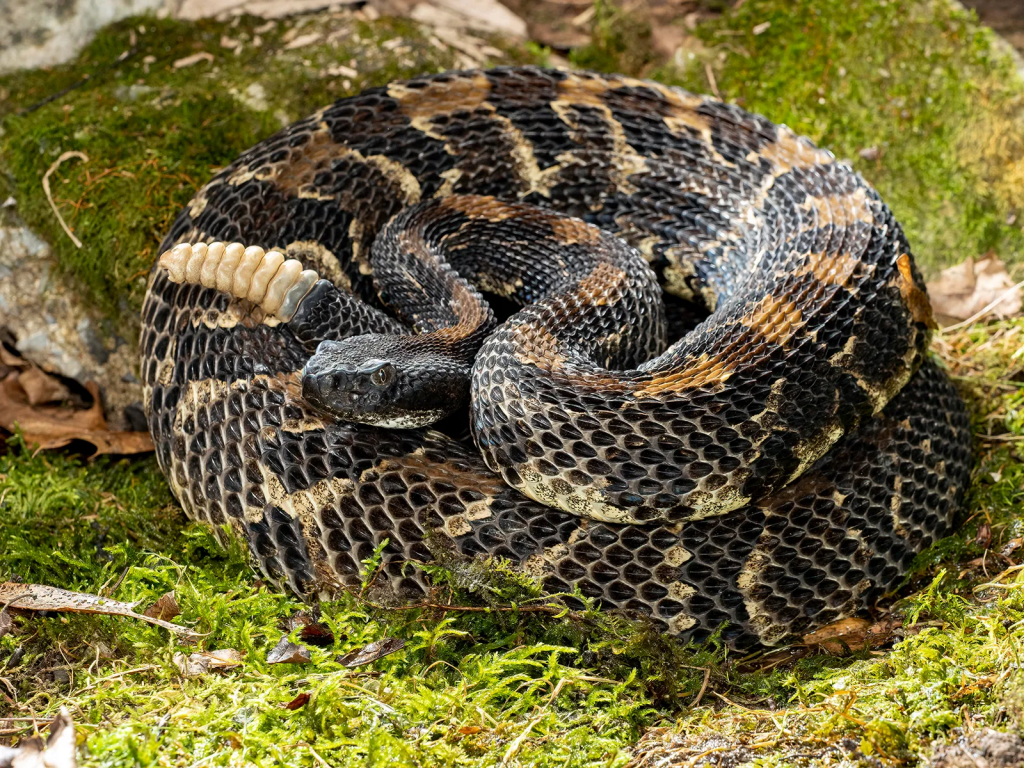
6. Timber Rattlesnake – Deadly Calm
Venom type: Hemotoxic with some neurotoxic properties
- Effect: One of the most dangerous snakes in the eastern U.S. Potentially fatal without treatment.
- History note: It was once a symbol of American resilience—featured on the Revolutionary War flag with the phrase “Don’t tread on me.”
🧬 The Science Behind the Bite
Snake venoms have evolved with stunning precision—some kill quickly, others disable, bleed out, or paralyze prey. Even if not all are fatal to humans, every bite is a medical emergency. Allergic reactions, infections, and tissue damage can all lead to serious consequences.
🐍 Final Thought: Respect the Warning
While snakes have a fearsome reputation, most prefer to avoid humans and only bite in self-defense. Instead of fearing them, we should learn to recognize, respect, and keep our distance from their habitats—for their safety and ours.